Cancel a Car Deal: Your Rights, Steps & Email Scripts
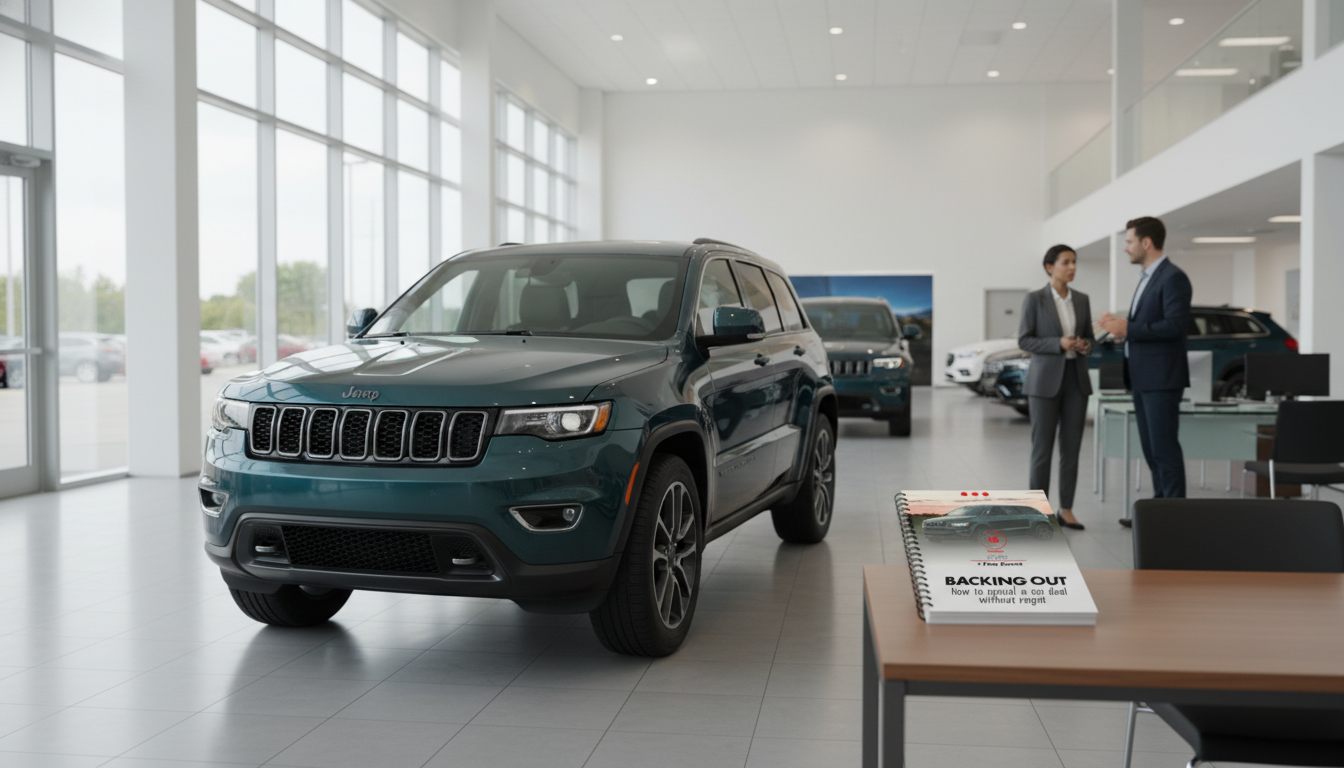
Backing Out of a Car Deal: Steps, Rights, and Scripts to Cancel Without Regret
Canceling a car purchase can feel intimidating, especially when paperwork, deposits, financing, or a trade-in are involved. The outcome depends on what has been signed, whether the vehicle has been delivered, and how the contract is written. This guide walks through the most common scenarios, the fastest way to reduce fees, and the exact language to use so the process stays clear and professional.
Start by identifying what stage the deal is in
The fastest way to protect your options is to pinpoint where you are in the process. “Canceling” means something very different before signatures than it does after delivery.
- Before signing: a quote or buyer’s order is usually not final; ask for written confirmation that the deal is canceled.
- Signed paperwork but not taken delivery: cancellation may be possible, but the dealer may claim a fee based on the contract terms and state law.
- Taken delivery: options often shift from “cancel” to remedies like unwinding due to contract/financing issues, or reselling/trading the vehicle.
- Financing pending (spot delivery): outcomes depend on whether financing is approved and whether the contract includes a conditional delivery clause.
- Trade-in already surrendered: act quickly; request the return of the trade-in in writing and confirm whether it has been sold.
Quick stage check
| Situation | What to do first | What to request in writing |
|---|---|---|
| Only negotiated price, no signatures | Notify dealer immediately | Confirmation deal is canceled; no obligations |
| Signed buyer’s order/contract, no delivery | Review cancellation/fees clauses | Itemized refund/fee statement; copy of signed docs |
| Vehicle delivered, financing uncertain | Ask if financing is final | Written status of financing approval/assignment |
| Trade-in handed over | Ask if trade-in is still on-site | Return of trade-in or written valuation/settlement terms |
Know the common myths that lead to regret
- “There’s always a 3-day right to cancel”: many vehicle purchases are not covered by a general cooling-off rule; rights vary by state and contract terms.
- “A deposit is automatically nonrefundable”: some deposits are refundable; some are not; the paperwork and local rules matter.
- “If financing falls through, the deal disappears automatically”: conditional delivery clauses may require the car’s return or allow rewriting terms; get the details in writing.
- “Verbal cancellation is enough”: always follow up by email/text and request a signed cancellation acknowledgment.
For background on when cooling-off periods do (and don’t) apply, see the Federal Trade Commission: Cooling-Off Rule.
Read the documents that control cancellation
Before debating anything with the dealership, locate the exact pages you signed and read the sections that govern delivery, acceptance, deposits, and financing.
If financing is part of the confusion, the Consumer Financial Protection Bureau: Auto Loans overview can help you understand assignment, funding, and common loan documents.
A practical cancellation checklist (do this in order)
Email template (copy/paste)
| Field | Text to use |
|---|---|
| Subject | Request to cancel vehicle purchase and confirm refund/status |
| Body (opening) | I am notifying you that I am canceling the purchase of the vehicle listed below. |
| Vehicle details | Year/Make/Model, VIN, contract date, buyer’s order/stock number |
| Requests | Please confirm in writing: (1) whether the purchase is canceled, (2) any fees claimed and the contract clause supporting them, (3) refund amount and method, (4) status of financing/assignment, (5) status/return of trade-in (if applicable). |
| Deadline | Please respond by [date/time]. |
Common scenarios and what usually happens
Decision table
| Trigger | Best next move | What to avoid |
|---|---|---|
| Signed today, no delivery | Send written cancellation notice; request refund timeline | Arguing by phone without follow-up in writing |
| Dealer says “no cancellations” | Ask for the exact clause and itemized fees; escalate to GM | Accepting vague fees without documentation |
| Financing “still pending” | Call lender; confirm assignment/funding status | Signing a new contract to “fix it” on the spot |
| Trade-in already left | Demand written status and return if available | Waiting days while the trade-in is sold |
How to cancel without burning bridges
If you need to escalate beyond the dealership, your state’s consumer protection office is a good starting point: USA.gov: State consumer protection offices.
A step-by-step guide that keeps everything organized
For a structured walkthrough, scripts, and a full checklist covering deposits, financing, trade-ins, and delivery timing, use Backing Out: How to Cancel a Car Deal Without Regret – Your Complete Guide to Cancelling Car Purchases and Navigating the Process.
To keep calls, deadlines, and paperwork from getting scattered, pair the process with Pomodoro Solopreneur’s Techique | Productivity Checklist for Focused Work, Time Management & Pomodoro Technique for Solopreneurs and block one focused session to: (1) read every signed page, (2) send the cancellation email, and (3) confirm financing status with the lender.
FAQ
Can a car purchase be canceled after signing the contract?
It depends on state law and the contract terms, and it often hinges on whether the vehicle was delivered. If you signed but haven’t taken delivery, ask for a written cancellation acknowledgment and an itemized list of any claimed fees with the clause that supports them.
Is there a 3-day right to cancel a car purchase?
Often, no—many vehicle purchases are not covered by a general three-day cooling-off rule. Certain add-ons or specific transaction types may have separate cancellation rights, so check your paperwork and your state’s guidance.
What if the dealer says financing isn’t approved yet and wants new terms?
This is commonly tied to spot delivery or conditional delivery terms. Confirm with the lender whether the deal was funded or assigned, and avoid signing revised terms under pressure until you understand your obligations and options in writing.







Leave a comment